
A Nutritional Approach to Prostate Wellness
Discover evidence-based nutritional guidance to support your prostate wellness. Our comprehensive guide explores how specific foods and dietary patterns can contribute to long-term prostate health and vitality.

Why Nutrition Matters for Prostate Health
Growing research demonstrates the significant role dietary choices play in supporting prostate wellness. Understanding what to eat can be transformative for your long-term health.
Natural Nutrition
Learn which whole foods, seeds, vegetables, and minerals support prostate function naturally. Plant-based compounds have been studied for their potential role in maintaining wellness and vitality.
Science-Based Approach
Our content draws from peer-reviewed nutritional research and expert sources. We explain the mechanisms behind dietary recommendations so you understand how foods influence your wellness.
Comprehensive Guides
Access detailed articles on nutritional strategies, meal planning principles, and lifestyle factors. Our editorial team curates practical, actionable information you can apply immediately.
Essential Foods for Prostate Wellness
Certain foods contain compounds that may support prostate health through antioxidants, anti-inflammatory effects, and other bioactive properties. Here are the key categories to include in your diet.

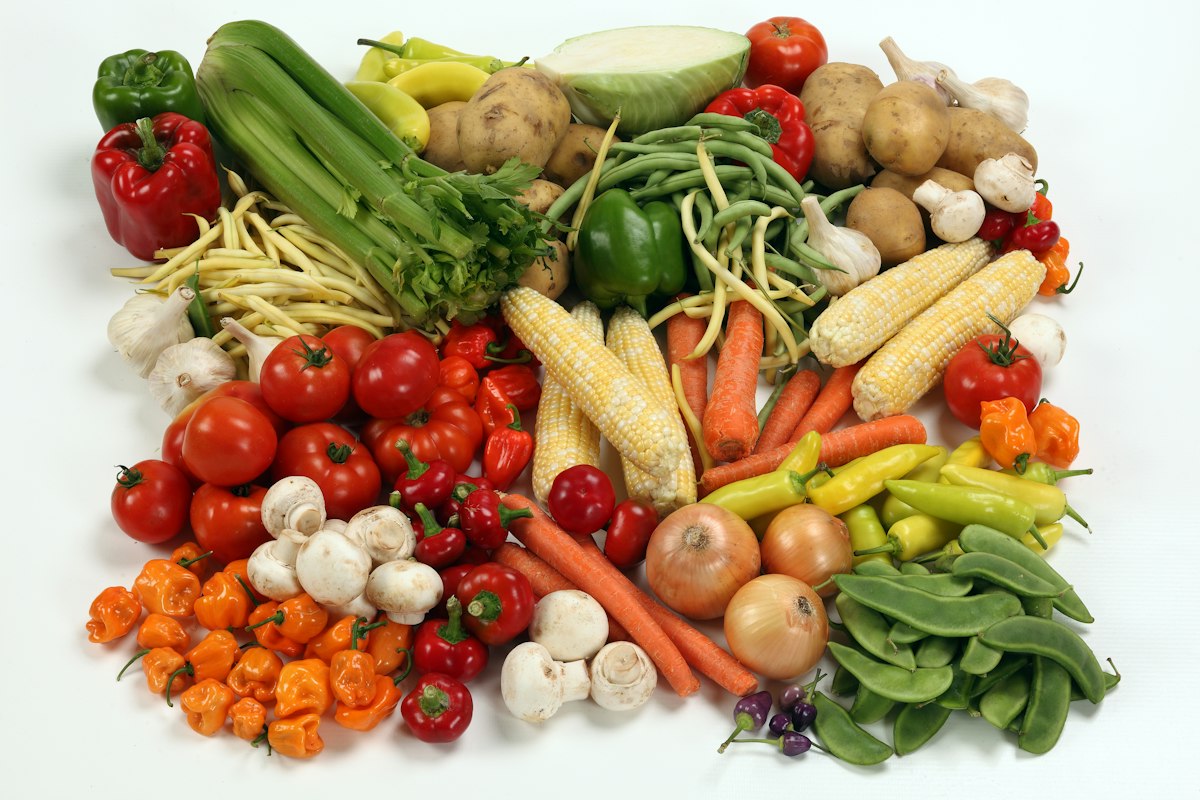
Tomatoes & Lycopene
Tomatoes contain lycopene, a powerful antioxidant studied for its potential role in prostate wellness. Cooked tomatoes release more bioavailable lycopene, making tomato sauce and paste especially beneficial additions to your meals.

Cruciferous Vegetables
Broccoli, cauliflower, and Brussels sprouts contain sulforaphane and indoles, compounds with anti-inflammatory properties. Regular consumption of these vegetables has been associated with supportive dietary patterns for prostate health.

Seeds & Nuts
Pumpkin seeds are particularly noted for their zinc content and other minerals important for prostate function. Walnuts, flaxseeds, and almonds provide omega-3 fatty acids and polyphenols supporting overall wellness.
Fatty Fish & Omega-3
Salmon, mackerel, and sardines are excellent sources of omega-3 fatty acids, which support cardiovascular and general wellness. These polyunsaturated fats may play a role in maintaining healthy prostate function and overall health markers.

Green Tea
Green tea is rich in catechins and polyphenols, antioxidant compounds that have been extensively studied in nutritional science. Regular consumption may contribute to antioxidant status and overall wellness through these bioactive compounds.

Berries & Anthocyanins
Blueberries, raspberries, and blackberries contain anthocyanins and resveratrol, powerful antioxidants. These fruits support cellular health and have been studied for their potential contributions to long-term wellness and vitality.

Core Principles of a Prostate-Supportive Diet
Emphasise Plant-Based Foods
A diet rich in vegetables, fruits, whole grains, and legumes provides diverse antioxidants and phytonutrients. Plant foods contain thousands of bioactive compounds that support cellular health and overall wellness through multiple mechanisms.
Limit Processed Foods and Excess Salt
Ultra-processed foods often contain additives and preservatives that may counteract nutritional benefits. Reducing sodium intake supports cardiovascular health, which is interconnected with prostate wellness and vascular function.
Maintain Healthy Fat Ratios
Balance omega-3 and omega-6 fatty acids through fish, nuts, and seeds. Avoid excessive saturated fats while embracing unsaturated varieties that support healthy lipid profiles and cardiovascular function crucial for prostate health.
Stay Hydrated and Mindful
Adequate hydration supports urinary health and overall metabolic function. Drinking sufficient water while limiting sugary beverages and excess caffeine contributes to a balanced, supportive dietary pattern for long-term wellness.
Key Nutrients for Prostate Wellness
Specific minerals, vitamins, and phytonutrients play distinct roles in supporting prostate function and overall vitality. Understanding these nutrients helps you make informed dietary choices.
Zinc
Zinc is essential for immune function and is highly concentrated in prostate tissue. This mineral supports cellular processes and protein synthesis. Sources include pumpkin seeds, oysters, beef, cashews, and chickpeas. Adequate zinc intake is considered fundamental to supporting prostate health through its role in normal cellular function.
Selenium
Selenium is a crucial component of selenoproteins, which have antioxidant and anti-inflammatory properties. This trace element supports thyroid function and immune response. Excellent sources include Brazil nuts, tuna, turkey, and whole grains. Selenium works synergistically with other antioxidants to protect cellular health.
Lycopene
Lycopene is a carotenoid antioxidant that gives tomatoes their red colour. This compound has been extensively studied for its potential role in maintaining cellular health. Absorption increases when lycopene is consumed with dietary fat, making tomato sauce with olive oil particularly effective. Watermelon and pink grapefruit also contain lycopene.
Isoflavones
Isoflavones are phytoestrogens found primarily in soy products, including tofu, tempeh, and edamame. These plant compounds have been studied for their potential role in hormone-sensitive tissues. Regular consumption of soy products may contribute to a dietary pattern supportive of long-term prostate wellness and overall health.
Polyphenols
Polyphenols are powerful antioxidants found in berries, green tea, coffee, red wine, and dark chocolate. These compounds have anti-inflammatory properties and support cellular health through multiple mechanisms. Green tea catechins and red wine resveratrol are particularly well-researched for their bioactive effects on wellbeing.
Omega-3 Fatty Acids
Omega-3 polyunsaturated fatty acids, including EPA and DHA, support cardiovascular health and have anti-inflammatory effects. Fatty fish like salmon and mackerel are primary sources, while plant-based options include flaxseeds and walnuts. Omega-3s are essential for maintaining healthy blood lipid profiles and vascular function.
Explore Our Complete Therapeutic Diet Guide
Our comprehensive articles cover meal planning strategies, recipe ideas, and evidence-based information about foods and nutrients that support prostate health. Start your journey towards better wellness today.
Read Our ArticlesReader Success Stories
See how our readers have applied these nutritional principles to support their health and wellbeing. These testimonials reflect real experiences and personal transformations.
I followed the dietary recommendations in your guides for three months and noticed improvements in my energy levels and overall wellbeing. Results may vary by individual. The specific information about pumpkin seeds and green tea gave me actionable steps to take immediately. This has truly transformed my daily nutrition habits."
James Mitchell
Manchester, United Kingdom
"The science-based approach to understanding nutrients was exactly what I needed. Your explanations about how lycopene works and why cooked tomatoes are better than raw ones helped me make smarter food choices. I feel more confident about my diet now."
David Thompson
London, United Kingdom
"Excellent resource for anyone looking to improve their nutritional approach naturally. The comprehensive guides made it easy to understand which foods are most beneficial and why. I've incorporated many of the recommendations and my overall health has noticeably improved."
Michael Robertson
Birmingham, United Kingdom
"I appreciate how detailed and accessible your articles are. The information about minerals like zinc and selenium gave me clarity on what I was missing in my diet. After adjusting my meals according to your guidance, I feel more energetic and focused throughout the day."
Richard Foster
Edinburgh, United Kingdom
Frequently Asked Questions
Find answers to common questions about therapeutic nutrition and prostate health. Our FAQ covers dietary principles, specific nutrients, and practical implementation strategies.
How quickly will I see results from dietary changes?
Nutritional changes work gradually over weeks and months as your body adjusts and cells renew. Most people report noticing improved energy and wellness within 4-8 weeks of consistent dietary implementation. For optimal results, maintain these changes as a long-term lifestyle commitment rather than expecting immediate effects.
Can I get all necessary nutrients from diet alone?
A well-planned diet based on our guidelines can provide most essential nutrients. However, factors like age, digestion, and individual circumstances may make supplementation beneficial. We recommend consulting with a nutritionist or health professional to determine your specific needs and whether supplementation would be helpful.
What if I have food allergies or dietary restrictions?
Our guides include alternative sources for key nutrients to accommodate various dietary needs. Whether you follow vegan, gluten-free, or other specific diets, there are equivalent nutrient-dense options available. Each nutrient section provides multiple food sources so you can choose what works for your situation.
Are the nutritional recommendations backed by research?
Yes, our content is grounded in peer-reviewed nutritional science and research from reputable institutions. We cite studies on phytochemicals, minerals, and dietary patterns that support prostate health. Each recommendation is evidence-based, though we always encourage you to discuss dietary changes with your healthcare provider.
How much pumpkin seeds or tomatoes should I eat daily?
Our guides provide specific serving recommendations for nutrient-dense foods. Generally, a handful of pumpkin seeds (about 28 grams) daily and regular tomato consumption (fresh or cooked) are considered beneficial as part of a balanced diet. Individual needs vary, so adjust portions based on your overall dietary composition and health status.
Can lifestyle factors beyond diet affect prostate health?
Absolutely. Exercise, stress management, adequate sleep, and maintaining a healthy weight all contribute significantly to overall wellness and prostate health. Our guides emphasise the holistic approach, as nutrition is just one component of a comprehensive healthy lifestyle. These factors work synergistically to support your long-term wellbeing.
Have more questions about our content or therapeutic nutrition?
Contact Our Editorial TeamBegin Your Journey to Better Prostate Health Today
Access our comprehensive guides on therapeutic nutrition, discover evidence-based dietary strategies, and learn how specific foods can support your long-term wellness. Join our community of informed readers taking control of their health.
About This Content
This guide is for educational and informational purposes. The nutritional information and dietary recommendations are based on scientific research and expert sources. Please consult with your healthcare provider or a qualified nutritionist before making significant dietary changes, especially if you have existing health considerations or take medications. Foodhealpotency provides evidence-based nutritional information to support your wellness journey, but does not provide personal medical advice.